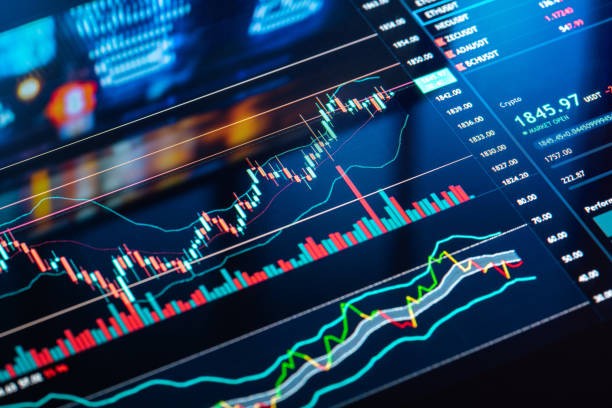
Currency trading, often referred to as forex trading, involves exchanging one currency for another in a global marketplace that operates around the clock during the working week. You take part in a system where currencies are traded in pairs, such as USD/ZAR, while each price reflects how one currency compares to another at any given moment.
Today, the market is vast, with global daily turnover reaching trillions of dollars, so it stands as the largest financial market in the world.
Prices shift constantly because of interest rates, economic releases and political developments, which means you are always dealing with movement. In fact, global foreign exchange trading reached about $9.6 trillion per day last year, which highlights just how active and responsive the market has become to new information.
You are essentially speculating on whether a currency will strengthen or weaken over time, while your decisions depend on analysis, timing and your ability to stay composed. Overall, this setting can feel fast-paced, although it also offers continuous opportunities if you approach it with patience.
How currency trading works in South Africa
When people refer to the currency trading South Africa offers, they are usually talking about a fast-growing community of individual traders operating within a structured financial environment. You access the market through online platforms provided by brokers that are regulated by the Financial Sector Conduct Authority, which adds a layer of oversight to your activity.
Each trade involves buying one currency while selling another, while most retail traders in South Africa use derivatives such as contracts for difference to follow price movements. This approach allows you to participate in global markets without needing large amounts of starting capital, although it still requires careful decision-making.
Today, the local forex market ranks among the largest in Africa, with billions of dollars traded daily, which reflects strong participation from banks, institutions and individuals. This activity is supported by a well-established banking system, while South Africa also serves as a financial hub for the region.
The country’s tourism sector, which attracts millions of international visitors each year, also supports steady demand for currency exchange. Many traders focus on the rand, since it is widely traded globally and responds quickly to both local and international events. This familiarity can give you a sense of connection to the market, although it still requires discipline to trade effectively, especially during periods of heightened volatility.
The mechanics behind every trade
Every trade you place includes two connected actions, since you are always buying one currency while selling another at the same time. If you expect the rand to weaken against the US dollar, you open a position that benefits from that movement, while the opposite applies if you anticipate strength.
Trading platforms offer charts, indicators and real-time data, which help you interpret trends and identify possible entry points, with these tools supporting your decisions; however, they work best when combined with a clear strategy and consistent practice.
Leverage is often available, which allows you to control a larger position with a smaller deposit, although this also increases your risk exposure. Orders can be executed instantly or set in advance, while tools such as stop-loss and take-profit levels help you manage your positions.
Over time, you begin to recognise patterns, although markets can still behave unpredictably due to global events. Ultimately, your understanding deepens as you connect economic news, commodity prices and central bank decisions to currency movements, which helps you build a more informed perspective over time.
Why forex trading attracts attention locally
Interest in forex trading across South Africa has grown steadily, since economic conditions often encourage people to explore additional income opportunities. The South African rand is known for its volatility, as it reacts quickly to both domestic developments and global sentiment, which creates frequent trading opportunities.
You might find that this constant movement draws attention, particularly if you are looking for a market that does not remain static for long periods. This dynamic backdrop can feel engaging, although it also demands focus if you want to navigate it effectively.
At the same time, access to smartphones and affordable internet has made trading platforms widely available, which lowers the barrier to entry.
Social media has amplified the visibility of trading, since communities share strategies, experiences and success stories that spark curiosity. You might feel encouraged when you see others participating, although it is important to separate inspiration from expectation.
Ultimately, this mix of accessibility, visibility and economic motivation continues to drive interest in forex trading, particularly among younger South Africans exploring new financial pathways.
Risks, regulation and the bigger picture
Currency trading offers opportunities, although it also carries significant risk, which means you need a balanced perspective before getting involved.
The same volatility that creates profit potential can lead to rapid losses, especially if leverage is used without proper caution. Regulation in South Africa has strengthened, while the Financial Sector Conduct Authority continues to oversee brokers in an effort to improve transparency.
In recent years, the FSCA has increased enforcement actions against unlicensed providers, which reflects a stronger focus on protecting retail traders in a growing market, while also encouraging greater accountability across the industry.
Even so, scams and misleading promises still exist, which means you need to evaluate platforms carefully before committing funds.
You will come across claims of quick profits, although consistent results usually require time, education and emotional discipline. The South African Reserve Bank, along with global economic forces, influences the rand, so your trades are often affected by events beyond your control.
Undoubtedly, when you approach trading with patience, structured learning and realistic expectations, you give yourself a better chance of building long-term understanding, which becomes far more valuable than chasing short-term gains.