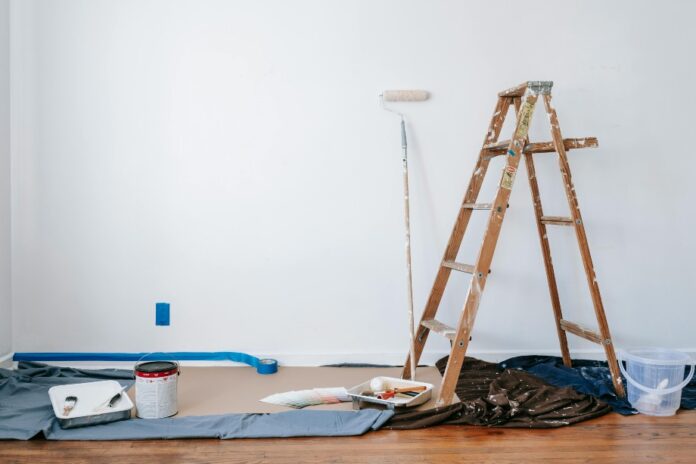
Painting a room sounds simple at first. You pick a color, buy a couple of cans, and spend a weekend rolling paint onto the walls. Many people start a painting project thinking it will cost less than $100.
Then reality hits.
Paint costs more than expected. Supplies add up quickly. Prep work takes longer than the actual painting. If you hire a painter, labor becomes the biggest part of the bill. Even if you do everything yourself, small “extras” can quietly double your budget.
So how much does it really cost to paint a room? Let’s break it down in a clear, realistic way.
1. Paint Cost: The Price Range Most People Underestimate
Paint is the most obvious expense, and it is also where people get confused. You might see a low price at the store and assume that is the total cost. The truth is that paint pricing varies wildly depending on brand, quality, and finish.
Here is a real example:
“A gallon of budget paint might be $30, whereas premium paint from a major brand like Sherwin-Williams or Benjamin Moore can run $80–$100 per gallon.”
That one sentence explains why painting costs can swing so much.
How many gallons do you need?
For an average room, most people need:
-
1–2 gallons for walls
-
1 gallon for ceiling (optional)
-
1 gallon for trim (if painting trim)
Most standard bedrooms fall into the 1–2 gallon range for walls, but larger living rooms can need 3 gallons or more.
What changes the number of gallons?
A few things can force you to buy more paint:
-
Dark colors covering light colors
-
Light colors covering dark colors
-
Textured walls
-
Cheap paint with weaker coverage
-
Skipping primer when you should not
In other words, buying the cheapest paint does not always save money. Sometimes it costs more because you need extra coats.
2. Primer: The Step People Skip (Then Regret)
Primer is not always required, but when you need it, skipping it usually leads to problems. Primer helps paint stick, blocks stains, and improves coverage.
You might need primer if:
-
You are covering stains, smoke marks, or water damage
-
The walls are glossy or oily
-
You patched holes and used spackle
-
You are changing from dark to light
-
The room has new drywall
Primer usually costs $15–$40 per gallon, depending on quality.
If you skip primer when you need it, you may end up buying an extra gallon of paint. That mistake can cost more than the primer itself.
3. Supplies: The “Small Stuff” That Adds Up Fast
Even if you already own some tools, painting supplies can easily cost more than expected.
Here are common supply costs:
-
Roller frame: $5–$15
-
Roller covers: $5–$12 each
-
Paintbrushes: $8–$25
-
Painter’s tape: $6–$12
-
Drop cloths: $10–$25
-
Paint tray + liners: $5–$15
-
Caulk (for trim): $4–$8
-
Sandpaper: $5–$10
-
Spackle / patch kit: $6–$15
If you are starting from scratch, supplies often land around $40–$120 for one room.
And yes, you can buy the cheapest tools. But cheap brushes shed bristles, cheap rollers leave lint, and low-quality tape causes messy lines. Many homeowners end up buying better supplies halfway through the job.
4. Prep Work: The Hidden Time Cost (And Sometimes the Hidden Money Cost)
Prep work is the part of painting nobody wants to do. It is also the part that separates a “professional-looking” paint job from a rushed one.
Prep includes:
-
Moving furniture
-
Covering floors and furniture
-
Cleaning walls
-
Filling nail holes
-
Sanding rough spots
-
Caulking trim gaps
-
Removing outlet covers
-
Fixing dents and cracks
If your walls are in good shape, prep is easy. But older homes often need more patching, and patching means more time and more materials.
Many people are shocked by this: A painter can spend more time preparing the room than actually painting it.
5. Labor Costs: Why Hiring a Painter Gets Expensive Quickly
Labor is the biggest cost if you hire someone. Even a small room can cost several hundred dollars, and larger rooms can go over $1,000.
Typical labor pricing
Painters charge in different ways:
-
Per room
-
Per square foot
-
Per hour
-
Per day
A common range for professional painting labor is:
-
$300–$800 for a standard bedroom
-
$600–$1,500 for a living room
-
$1,000+ for rooms with tall ceilings, lots of trim, or major prep
Why labor costs vary so much
Here are the biggest factors:
-
Room size
-
Ceiling height
-
Number of windows and doors
-
Trim complexity
-
Wall condition
-
Color change difficulty
-
How many coats are needed
If you choose premium paint like Benjamin Moore, your labor cost might not change much. However, better paint can reduce the number of coats. That can sometimes reduce labor time.
6. Hidden Expenses That Surprise Homeowners
This is the section most people wish they had read before starting.
Hidden cost #1: Repairs you didn’t plan for
You start painting and suddenly notice:
-
Water stains
-
Cracks
-
Peeling paint
-
Mold spots
-
Old wallpaper glue
-
Uneven drywall patches
Fixing those issues can add $20 or $200, depending on severity.
Hidden cost #2: Extra coats
Many people assume “one coat is enough.” It rarely is.
Even high-end paint often needs two coats for a clean finish. Cheaper paint may need three coats, especially for bold colors.
Hidden cost #3: Paint disposal and cleanup
Some areas charge fees for paint disposal. Also, cleaning supplies like rags, sponges, and solvents add small costs.
Hidden cost #4: Upgraded finishes
Flat paint is cheaper and hides imperfections, but it scuffs more easily.
Many homeowners choose:
-
Eggshell or satin for walls
-
Semi-gloss for trim
-
Flat for ceilings
Higher sheen paints can cost slightly more.
7. Example Cost Breakdown: DIY vs Hiring a Pro
Let’s look at two realistic scenarios.
Scenario A: DIY painting (standard bedroom)
-
2 gallons of wall paint: $60–$200
-
Supplies: $60
-
Spackle + sandpaper + caulk: $20
-
Optional primer: $25
Estimated total DIY cost: $140–$305
Scenario B: Hiring a painter (standard bedroom)
-
Paint: $60–$200
-
Labor: $350–$800
-
Prep and repairs: $50–$200 (sometimes included)
Estimated total professional cost: $460–$1,200
8. So… Is Premium Paint Worth It?
Many homeowners ask this question after seeing the price tag.
Premium paint brands like Benjamin Moore cost more, but they often provide:
-
Better coverage
-
Better durability
-
Smoother finish
-
Less visible patch marks
-
Better color depth
If you are painting a low-traffic room, budget paint can work fine. If you are painting a living room, hallway, kitchen, or kids’ room, premium paint often saves frustration.
It also tends to look better for longer.
Final Thoughts: What Painting a Room Really Costs
Painting a room is not just “paint and a roller.” The real cost includes:
-
Paint quality
-
Primer needs
-
Prep work
-
Supplies
-
Labor (if hiring help)
-
Surprise repairs
-
Extra coats
A simple DIY paint job can cost under $200. A full professional job can easily reach $1,000 or more.
The smartest approach is not always choosing the cheapest paint. The smartest approach is choosing the paint that gives you the best result for the room you are painting.